All therapies

Cupping

Traditional suction-based therapy · Individual assessment

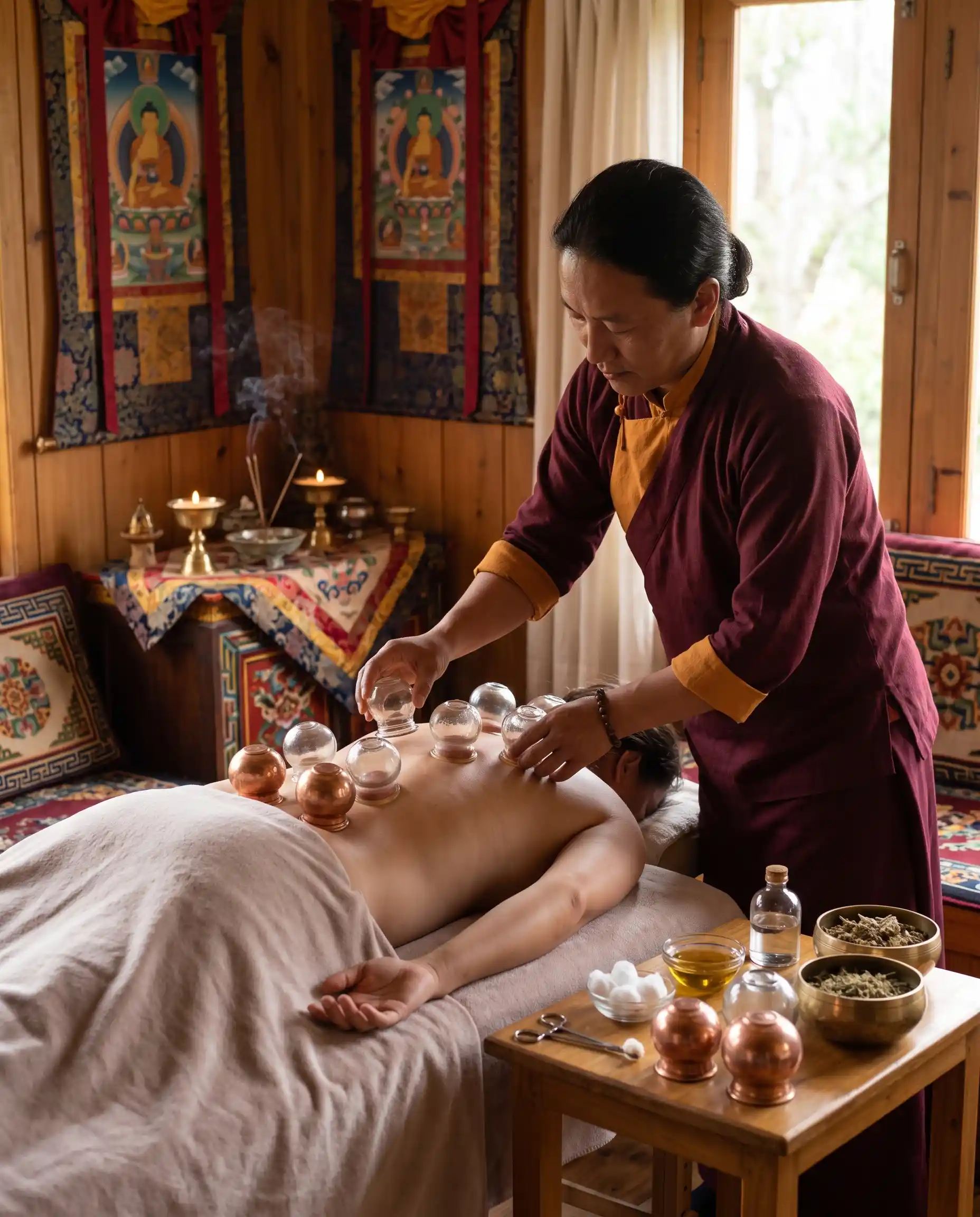
Cupping is a traditional external practice in which cups create suction on selected areas of the skin. The type of cup, level of suction and session length should be chosen by a trained practitioner after assessing suitability.

Cupping equipment arranged in a clean and calm therapy room
Balance · Heal · Thrive

The approach

Traditional knowledge, individual care.

Every session should begin with a conversation and a clear explanation of the approach. Your comfort, informed consent and practitioner assessment guide the experience.

Understanding the technique

Different cupping methods exist, including dry cupping and methods involving additional procedures. The practitioner should clearly explain the method offered, hygiene measures, expected sensations and possible temporary marks before proceeding.

Your comfort matters

Suction should be adjusted to the individual and should not cause severe pain. Let the practitioner know immediately about discomfort, dizziness or unusual sensations.

When extra caution is needed

Cupping may not be suitable for everyone, including people with certain skin conditions, bleeding risks or other medical considerations. Share your health history and medications before a session.

Your session

What to expect

We believe a good wellness experience starts with clear communication. Ask questions at any point and let your practitioner know what feels comfortable for you.

Review relevant health history and skin condition

Discuss the method, expected sensations and hygiene

Use practitioner-selected placement and suction

Receive clear aftercare guidance

Important information

Care, comfort and suitability come first.

Cupping can cause bruising, skin irritation and other adverse effects. Wet cupping involves additional risks and requires appropriate clinical standards; suitability must be assessed by a qualified practitioner.

This page provides general information about a traditional wellness practice and is not medical advice. Please consult an appropriate healthcare professional about symptoms, diagnosis or treatment decisions.

Continue exploring

Discover other therapies